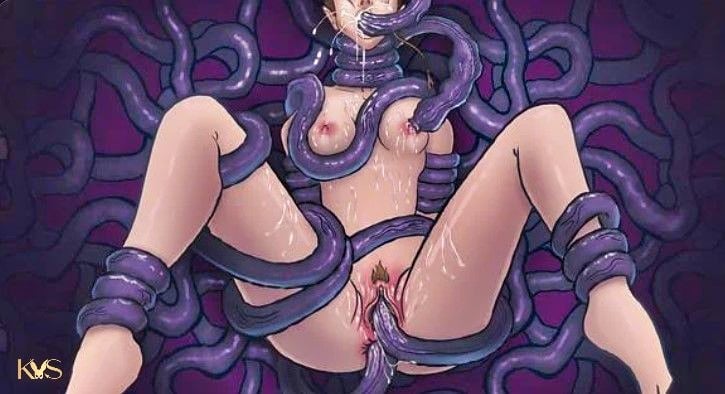
The idea of being held, explored, and overwhelmed by something that has no human rules — no expectations, no judgment, just sensation — sits at the heart of the tentacle fetish. It is one of the oldest documented erotic fantasies in human art history, and it is having a contemporary renaissance.
This guide covers what a tentacle fetish actually is, where it came from, the psychology behind it, how to explore it with toys or roleplay, and why it is far more common than most people realise.
What is a tentacle fetish?
A tentacle fetish is sexual arousal triggered by the fantasy of erotic involvement with tentacled creatures — octopuses, alien beings, sea monsters, or any multi-limbed entity from the realm of fantasy and the paranormal. The creatures are most often imagined as restraining, stimulating, or penetrating the person, sometimes simultaneously.
The fetish exists almost entirely in the realm of imagination, fiction, and fantasy art. Very few people who report it have any interest in real animals — the draw is the idea of the creature: its alien intelligence, its many limbs, its ability to be everywhere at once. It is a fantasy of total, seamless sensation.
It is also gender-neutral and orientation-neutral by design. Because tentacles are not human genitalia, they can map onto any desire — penetrating, engulfing, restraining — in ways that feel available to anyone regardless of what they are normally attracted to.
Where the tentacle fetish comes from
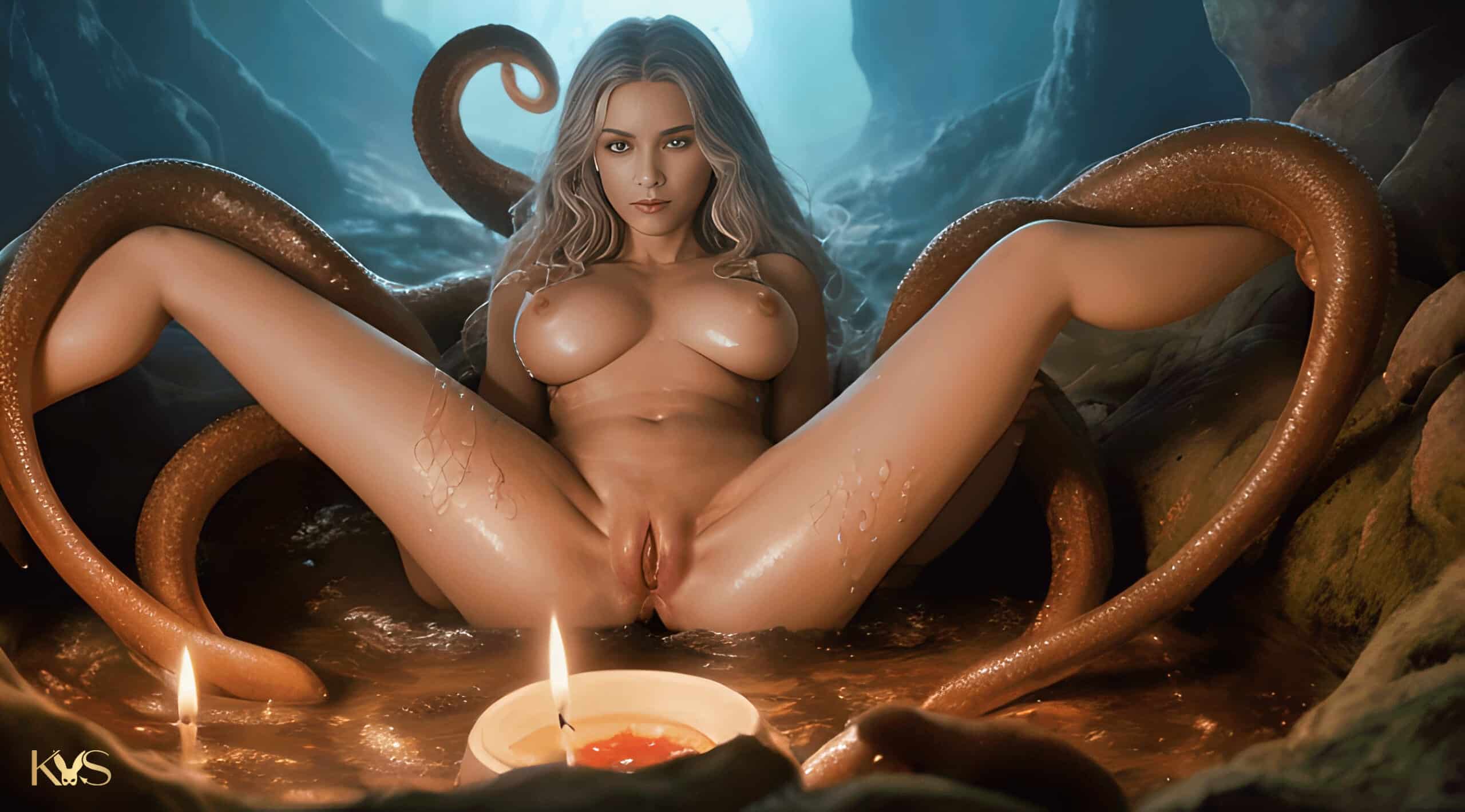
The roots of the tentacle fetish are traceable and genuinely fascinating.
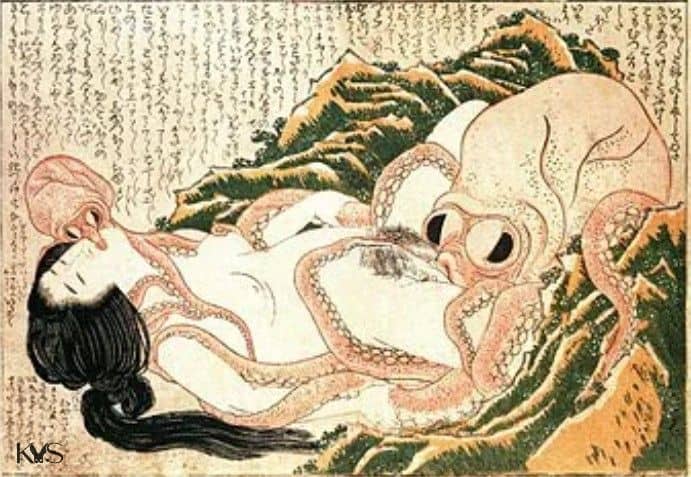
The most famous origin point is "The Dream of the Fisherman's Wife," a woodblock print created by the Japanese artist Katsushika Hokusai in 1814. It depicts a woman in explicit erotic union with two octopuses and is considered one of the earliest examples of tentacle erotica in recorded art. It was part of the shunga tradition — a genre of Japanese erotic woodblock prints that depicted a wide variety of sexual acts with remarkable frankness.
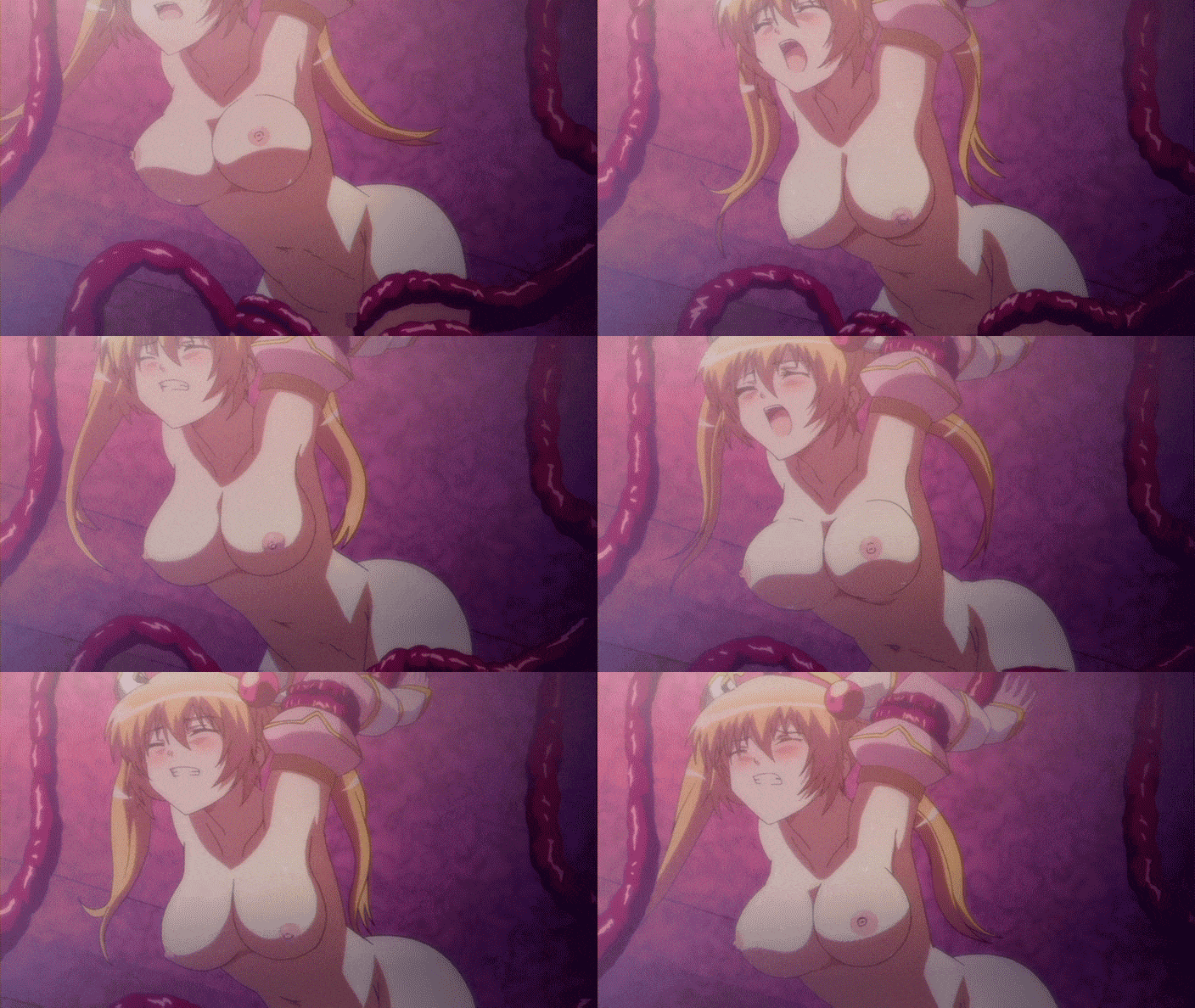
The fantasy form of the fetish was developed further in modern Japan through anime and manga. Manga animator Toshio Maeda, widely credited as the "tentacle master," worked with tentacle imagery in part as a way to navigate Japan's strict censorship regulations of the time — fantastical creatures offered creative latitude that realistic human imagery did not. His work in the 1980s brought tentacle erotica into global popular culture.
From there, the genre spread through hentai animation and fan art communities into Western fandom, video games, and erotic fiction. Today it appears across every medium from illustrated novels to VR experiences.
What makes it different from other monster or creature fantasies?
Tentacles are specifically multi-limbed and boneless — they can wrap, grip, probe, and stimulate in ways that a single human or even a humanoid creature cannot. That simultaneous, all-over quality is part of the appeal. Tentacles in fantasy are also often depicted as responsive and even intelligent in their attention, which adds a quality of being genuinely desired by something alien and powerful.
This sets it apart from broader roleplay and fantasy scenarios where the appeal is more about character or narrative. The tentacle fantasy is often primarily about sensation — the idea of being completely, inescapably held and pleasured.
The psychology: why it works
There are several overlapping reasons people find the tentacle fetish arousing, and none of them require clinical explanation. They are human, understandable, and widely reported.
The surrender dynamic. Being restrained by multiple limbs simultaneously is an extreme version of the appeal at the heart of bondage — the body held, unable to resist, freed from having to choose what happens next. Many people who enjoy the tentacle fetish specifically cite the sensation of powerlessness, of being overwhelmed rather than directed.
The alien as permission. A creature with no cultural rules around sex cannot shame, judge, or have expectations. This absence of the human social layer can feel liberating in fantasy — the encounter exists outside any framework of normal or abnormal. Many people find that fantasies involving non-human entities allow them to explore desires they feel less free to imagine with human partners.
Sensation maximalism. Multiple simultaneous points of stimulation — something tentacle fantasies are specifically constructed around — map onto real erotic preferences. The fantasy is often less about the creature and more about the experience of total, overwhelming stimulation.
Creative and aesthetic pleasure. For many people the fantasy is also aesthetic and narrative. The visual language of tentacle art, drawn from centuries of Japanese erotic tradition and contemporary sci-fi, is genuinely striking. The fetish is as much an appreciation of a genre as a sexual preference.
Research into fantasy diversity, including the large-scale survey work documented at lehmiller.com, consistently shows that fantasy involving non-human or supernatural beings is far more common than most people assume.
Is a tentacle fetish normal?
Yes — and it has a longer documented history than almost any other specific fantasy in recorded human sexuality.
Enjoying the idea of tentacles in an erotic context does not indicate anything problematic about a person's psychology, their view of consent, or their real-world behaviour. It is a fantasy, operating in the same imagination-space as every other erotic scenario people enjoy without any intention of enacting them literally. The fantasy of powerlessness, of alien encounter, of overwhelming sensation — these are extensions of desires that appear widely across human erotic imagination.
The fact that tentacle erotica has existed continuously from 1814 to the present day, across multiple cultures and media forms, speaks for itself.
What people sometimes mistake for strangeness in the tentacle fetish is actually just honesty — the willingness to let imagination go somewhere genuinely alien, rather than staying on the mapped and named roads.
— Olivia Moore
Varieties of the tentacle fetish
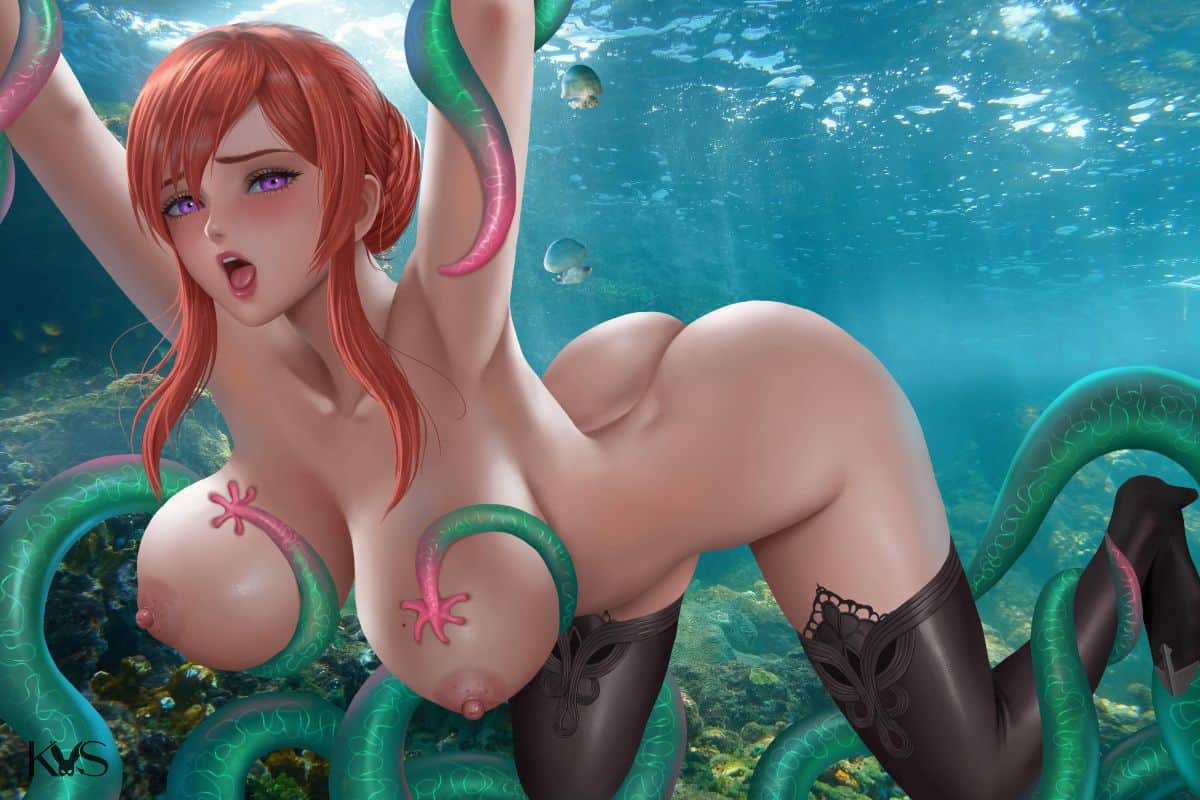
Not everyone drawn to this fantasy is drawn to exactly the same version of it. Common variations include:
Restraint-focused
The appeal is primarily about being held immobile by multiple limbs — closely related to bondage and submission. The creature is almost incidental; the restraint is the point.
Sensation-focused
The appeal is simultaneous stimulation at multiple points — the fantasy version of a very thorough partner. Often this version involves a gentler, more curious creature rather than an aggressive one.
CNC and force fantasy
Some versions of the tentacle fantasy explicitly involve consensual non-consent dynamics — the creature does not ask permission, and that is the point. This is a widely reported and entirely valid fantasy structure, existing in imagination as a way of exploring themes of helplessness and overwhelm in a completely controlled, fictional context.
Aesthetic and world-building
For a significant number of people, the tentacle fetish is partly or primarily an appreciation of a creative genre — hentai, erotic illustration, fantasy fiction — rather than something they physically enact or intend to enact.
How to explore a tentacle fetish
Solo exploration: fiction and imagery
Tentacle erotica is one of the most developed fictional sub-genres in erotic art. Illustrated stories, hentai animation, written fiction, and fan art communities all produce enormous amounts of material. Starting with fiction and art is a completely valid and common way to engage with this fantasy — for many people, it never needs to go further than that.
Tentacle toys
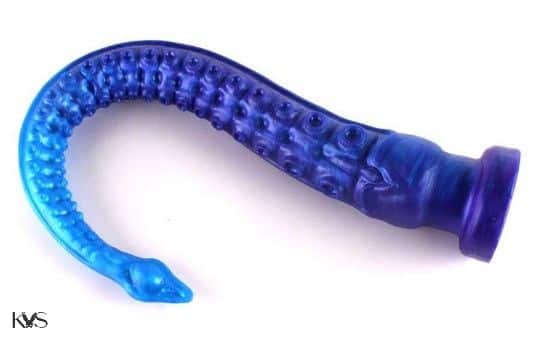
For those who want a physical element, tentacle-shaped sex toys are widely available from reputable adult retailers. They range from small, textured vibrators with ridged surfaces to large, detailed silicone pieces with pronounced curves and varying thicknesses. When choosing:
- Look for body-safe materials — medical-grade silicone, ABS plastic, or borosilicate glass. Avoid anything labelled "novelty" without a material specification.
- Consider texture and size separately. Many people who enjoy the fantasy prefer toys with a lot of surface texture; others want scale. These are independent variables.
- Use appropriate lubricant — water-based with silicone toys; silicone-compatible options for other materials.
Roleplay with a partner
If you want to bring the fantasy into partnered sex:
- Talk about it outside the bedroom first. Describe what appeals to you — the restraint element, the sensation element, the creature element — so your partner understands what you are actually drawn to, not just the label.
- Map it to things you can do. Bondage that restrains multiple limbs at once, a partner who uses both hands and mouth simultaneously, or a blindfolded scene where stimulation comes from unexpected places can all evoke the core of the fantasy.
- Use costume and props if it helps. Some couples find that tentacle toys, specific lighting, or ambient sound (ocean, alien environments) help the imagination engage.
- Set a safeword. Especially if the fantasy involves a CNC or force element — establish a clear word or signal that stops everything, and check in before and after.
Aftercare
Any scene that involves restraint, powerlessness, or emotionally intense fantasy can leave people in an open, vulnerable state. Build in time afterward — physical warmth, reassurance, calm conversation — to come back to the present. See our full guide on aftercare.
Virtual reality
VR tentacle experiences exist on several adult platforms. For people who want immersion without the logistics of props or a partner, VR can provide a remarkably effective bridge between pure imagination and physical sensation.
Safety and consent
Because tentacle fantasies often involve themes of non-consent and restraint, it is worth being explicit: the fantasy of powerlessness is not an endorsement of real non-consent. People who enjoy CNC-adjacent tentacle fantasies are, as a population, as committed to real consent as anyone — often more thoughtful about it, because they have had to think carefully about the difference between fantasy structure and real-world ethics.
If you are exploring any of this with a partner:
- Establish explicit consent for the scenario and its elements before you begin.
- Use a clear safeword, including a non-verbal signal if there is any chance of not being able to speak.
- Keep all toys clean and use body-safe materials.
- Check in during and after, not just before.
Curious where this fits among your other interests?
The tentacle fetish rarely exists in isolation. People drawn to it often also enjoy bondage, submission, or CNC dynamics — the common thread is usually the appeal of being overwhelmed, held, or relieved of control.
Related: Tentacle scenes are a staple of monster erotica and overlap with futanari art and the futa fetish.
Take the 2-minute Kink Quiz to map your full landscape of desire →