
A figure steps out of the moonlight — feminine curves, mythic horns, and anatomy that doesn't follow any single rule. That image has captivated a devoted corner of erotic fiction since the 1990s. This guide covers what futanari actually is, why the fantasy resonates psychologically, how CNC (consensual non-consent) fits in, and how to explore it safely with a partner or solo.
What is futanari?
Futanari (ふたなり) is a Japanese word meaning "dual form" or "two shapes." In erotic manga, hentai, and fiction it describes characters — almost always feminine in presentation — who possess both a vagina and a penis. The term is sometimes shortened to futa.
As a kink, futanari sits within Fantasy & Paranormal: the appeal is rooted in imagination rather than any real-world gender category. Futa characters are typically supernatural — demons, elves, warrior goddesses — which underlines that this is a genre of pure fantasy.
Many futa scenarios include an element of dominance and power differential. When that power play becomes an explicit "reluctance" narrative — one partner overtaking the other — the scene falls into the broader territory of CNC (consensual non-consent). The supernatural, non-human framing of futa characters also places the genre in close company with other creature-fantasy kinks like tentacle fetish, where the appeal rests on anatomy and power that exist only in the imagination. CNC is the established kink where all parties negotiate and consent in advance to a roleplay that depicts force, even though no real coercion is happening.
Why the futa fantasy works psychologically

Fantasy scenarios that seem extreme on the surface often satisfy very ordinary psychological needs. Futa kink tends to pull several levers at once:
Power and surrender
Futa erotica usually features a dominant futa and a yielding partner. The appeal of surrender — of having a decision made for you by an overwhelming presence — is one of the most common fantasy themes humans report. Justin Lehmiller's large-scale survey of American sexual fantasies consistently finds that submission and power exchange rank among the most widely shared desires across genders and orientations.
The uncanny and the transgressive
Futa characters are not quite human. That slight wrongness — horns, glowing eyes, anatomy that breaks the rules — activates the erotic imagination in a way realistic scenarios sometimes cannot. The supernatural shell gives the fantasy permission to go places an everyday scenario wouldn't.
Gender fluidity and embodiment
For some people the draw is specifically about anatomy: the futa body dissolves the boundary between masculine and feminine, allowing the reader or player to imaginatively inhabit a form that doesn't match the usual binary. Many fans report that futa fantasy is one of the first places they felt their own gender curiosity reflected back at them, even if that curiosity never extends off the page.
Narrative distance
Manga, hentai, and illustrated fiction create a layer of artistic remove. That distance lets people safely explore fantasies that would feel too intense in live-action video — the characters are clearly drawn, clearly fictional, clearly not real people.
Where did futa kink come from?
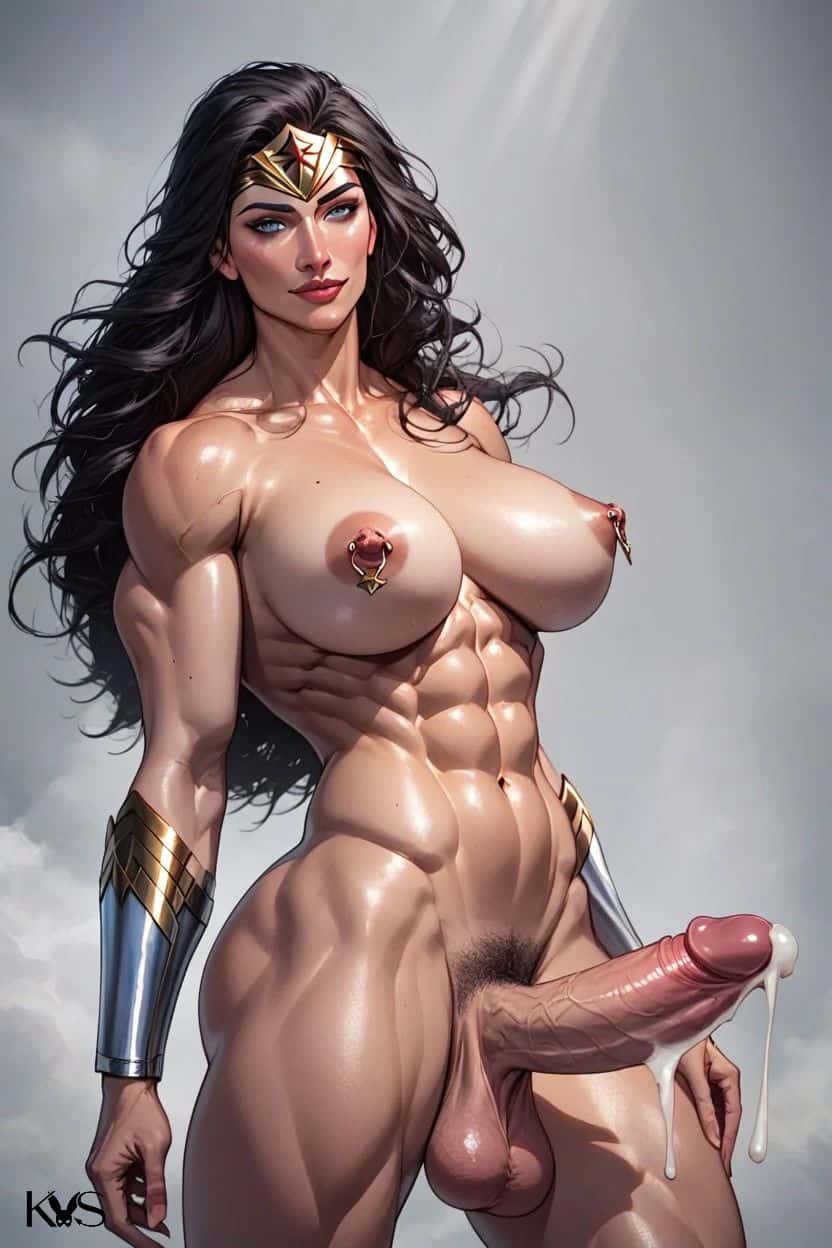
Futanari traces its roots to Japanese erotic manga (hentai doujinshi) of the late 1980s and early 1990s. The archetype of the "futanari woman" — a voluptuous, supernatural female figure with a penis — was codified in underground doujinshi circles before hitting mainstream hentai anthology magazines in the mid-1990s.
By the early 2000s, Western audiences encountered futa through fan-translated manga and the first wave of hentai streaming sites. The genre exploded into Western erotic fiction communities, generating thousands of original English-language stories, commissioned art pieces, and eventually dedicated video games and visual novels.
Today futa occupies a firmly established niche in erotic fiction, with passionate communities on Pixiv, AO3, and dedicated futa fiction archives. It is a fantasy genre with its own tropes, fan conventions, and creative traditions — not unlike any other literary genre.
CNC, consent, and the "rape fantasy" frame

Many futa scenarios are explicitly framed as non-consensual within the story. This is where understanding CNC is essential.
Consensual non-consent (CNC) is a category of roleplay in which all participants agree — clearly, ahead of time, outside the scene — to enact a scenario that depicts coercion. The scene is not real coercion; the negotiation that precedes it makes it freely chosen play.
Futa CNC scenarios typically follow this pattern:
- Both (or all) people involved negotiate the scene before it begins — what will happen, what is off limits, what the safeword is.
- The scene plays out with one participant in the "futa" dominant role and one in the yielding role.
- Either participant can call a safeword at any moment to pause or end the scene with no questions asked.
- Aftercare follows: partners reconnect emotionally and physically after the intensity of the scene.
The fictional framing — demon, elf, fantasy monster — adds another layer of remove that many people find makes CNC feel less loaded and easier to inhabit.
Safety note
CNC is an edge play category. Treat it with the same care as any other high-intensity practice: negotiate in full, use a clear safeword system (verbal and non-verbal), check in during the scene if anything shifts, and build in proper aftercare. If you are new to CNC, start with light power play and work up gradually. See our full aftercare guide for post-scene care.
Signs a futa kink might resonate with you
- You find yourself drawn to erotica or fiction that blurs gender or anatomy.
- Supernatural or mythological dominance figures appeal to you.
- You enjoy submission or being "overwhelmed" in fantasy, even if your day-to-day self is assertive.
- The artistic, illustrated style of hentai or manga erotica engages your imagination more than realistic content.
- You are curious about gender fluidity in a low-stakes, fictional context.
If several of those resonate, the Kink Quiz can help you map where futa sits among your other turn-ons.
How to explore futa kink
Solo exploration
Start with fiction and art — it is the native home of futa fantasy. Fan-fiction archives, illustrated stories, and hentai visual novels let you explore the aesthetic and the narrative at your own pace, entirely on your own terms.
With a partner
Futa scenarios translate well to partnered play through roleplay. A practical starting framework:
- Talk about it first. Describe the scenario you have in mind — the dynamic, the tone, whether it is CNC or something softer — and invite your partner's reaction. This conversation should happen when you are both relaxed and out of a sexual context.
- Negotiate roles and limits. Decide who takes which role, what language or actions are in play, and what the safeword is. Write it down if it helps.
- Use props deliberately. A strap-on worn by either partner can embody the futa role physically. Body-safe toys, costume elements, and lighting can all deepen the scene.
- Start lighter than you think you need to. Power play can escalate organically; it is much harder to dial back after going too far too fast.
- Debrief afterward. What worked, what didn't, what you'd like to try next time. This conversation strengthens trust and makes the next scene better.
Online and virtual spaces
VR erotic games and certain adult visual novels now offer interactive futa scenarios with customizable dynamics. For people who want to explore the fantasy without a physical partner, these can be a thoughtful entry point — as long as you are choosing platforms that take age-verification and consent practices seriously.
Is futa kink normal?
Yes. Fantasy involving mythological or supernatural figures, power exchange, and anatomically atypical bodies is well within the normal range of human erotic imagination. The Kinsey Institute has documented for decades that fantasy content and real-life preferences often diverge sharply — people regularly enjoy in imagination what they have no desire to enact in reality. That gap is not a red flag; it is how imagination works.
Futa kink doesn't indicate confusion about gender, a problem with consent values, or anything that needs correction. It is a genre of fantasy — detailed, creative, and entirely valid — that happens to be set in a world where anatomy follows different rules.
Futa kink is what happens when the erotic imagination meets Japanese comics and a deep human pull toward the transgressive. It's fantasy all the way down — which is exactly what makes it work.
— Olivia Moore
Related: It sits right beside the broader futa fetish.
Ready to map the full landscape of what you're into? Take the 2-minute Kink Quiz →