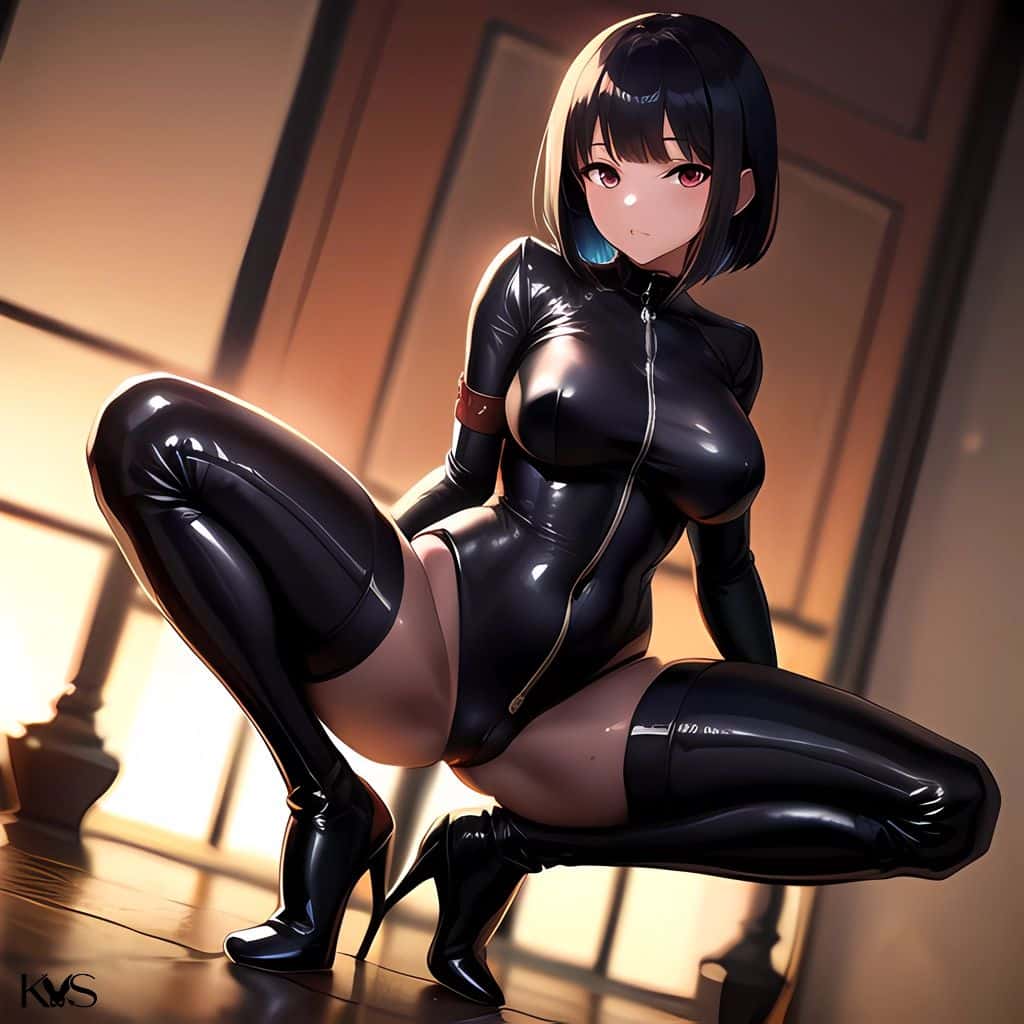
There is something in the creak of a leather harness, the cool weight of a glove, the sharp animal scent of a new jacket, that stops a certain kind of person mid-thought. That's a leather fetish — and it's one of the oldest, richest, and most layered kinks in the encyclopedia.
This guide covers what a leather fetish is, the psychology behind it, its deep roots in BDSM and queer culture, the types that exist, practical ways to explore it, and why it is completely normal.
What is a leather fetish?
A leather fetish is sexual arousal — physical, psychological, or both — triggered by leather as a material: its smell, texture, sound, visual appearance, or symbolic associations with power and control. It belongs to the broad category of Objects & Clothing fetishes, and it frequently overlaps with BDSM practice, where leather is a dominant aesthetic language.
For some people the attraction is primarily sensory: the rich, organic smell of new leather or the cool slick feel against skin. For others it is symbolic: leather carries connotations of authority, dominance, and rebellion that layer into dominance and submission dynamics. Many leather enthusiasts experience both at once — the material and what it means.
A leather fetish differs from simply liking leather fashion. The difference is arousal: when the presence of leather is a genuine erotic charge, not just a style preference, it qualifies as a fetish rather than a kink.
The psychology: why leather works
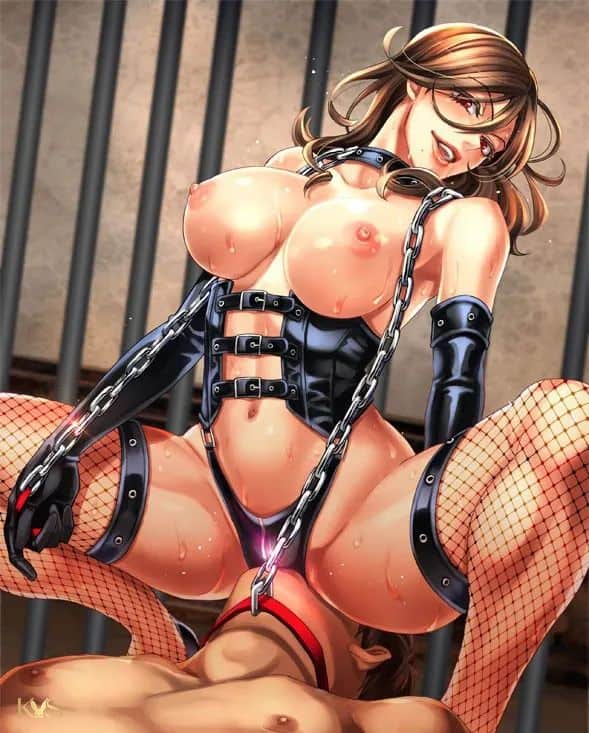
Leather works on several levels simultaneously, which helps explain why it has endured as a fetish across cultures and decades:
Sensory richness
Leather is one of the most multi-sensory materials available. It has a distinctive smell (tannins, animal hide, finishing oils) that many fetishists describe as instantly arousing — a conditioned response that can build over time. It makes noise — the creak and rustle that signals movement, presence, authority. It feels different depending on thickness: a thin lambskin glove is an intimate second skin; a heavy saddle-leather belt is unmistakably an instrument of discipline. This sensory density means leather engages the body before the mind has caught up.
Symbolic power
Throughout the twentieth century, leather became shorthand for transgression and power. Motorcycle gangs, rebels, and later the gay leather community all used it to signal that they lived outside the mainstream. That symbolic charge did not disappear — it got eroticized. Wearing leather can make a person feel commanding. Being restrained by it communicates surrender. The material carries its history on its surface.
Power exchange amplification
Leather is the dominant aesthetic of structured BDSM scenes for a reason: it makes power dynamics visible and tactile. A leather collar on a submissive, a harness on a dominant, a pair of leather cuffs — each is a physical encoding of a relational dynamic. Research compiled at the Kinsey Institute consistently shows that power exchange and control are among the most prevalent fantasy themes across all genders and orientations; leather is the most durable material expression of those dynamics.
Conditioning
Many leather fetishists report that the attraction intensified over time — that early positive associations with leather (a parent's jacket, a first exciting encounter) progressively deepened into arousal. This is consistent with how many material fetishes develop: repeated pairing of a neutral stimulus with sexual excitement.
Leather fetish and BDSM: a shared history
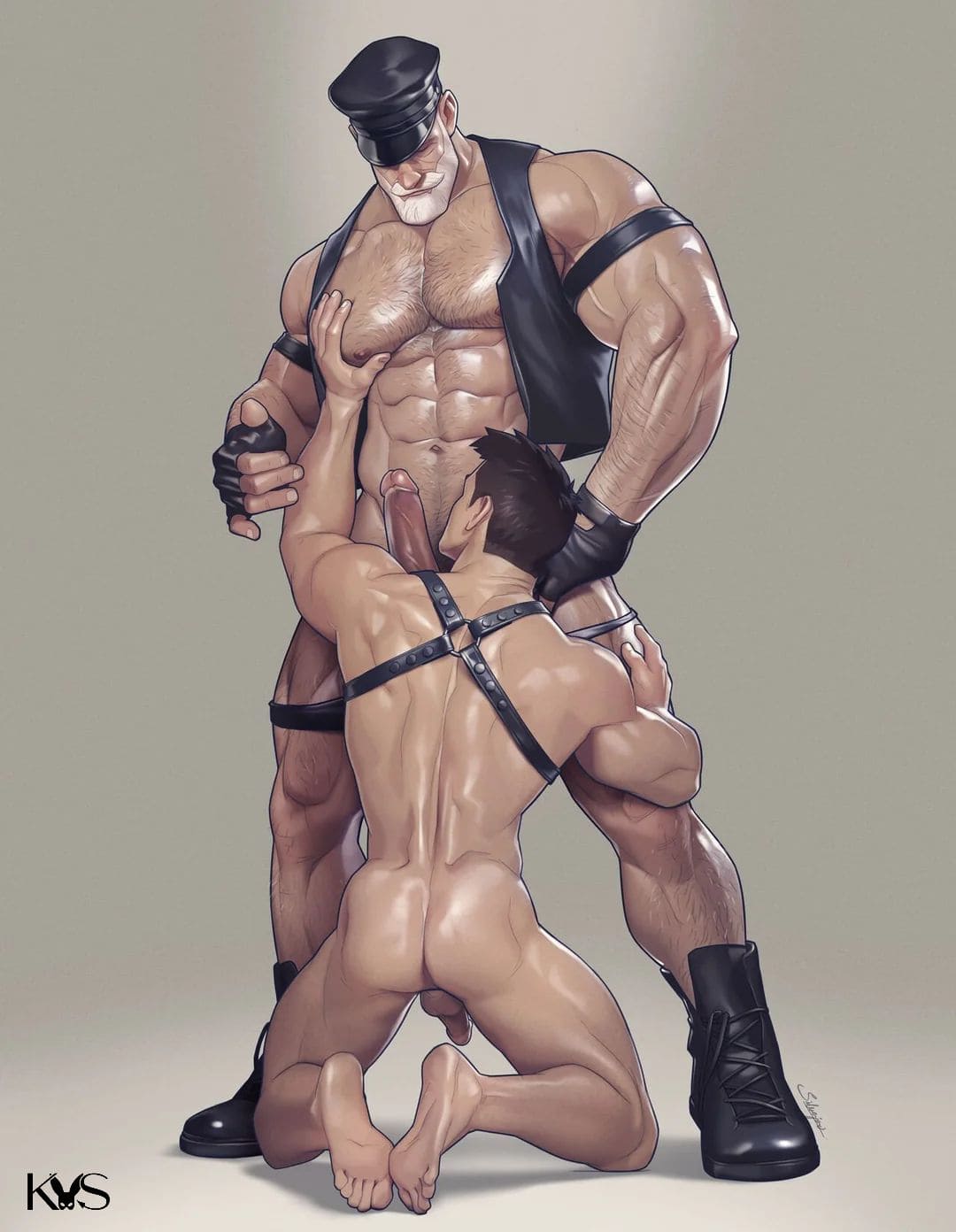
The leather fetish and BDSM are not the same thing — but their histories are inseparable.
Post-war origins
The leather subculture emerged in the late 1940s and 1950s from two overlapping worlds: gay men who had served in World War II and were discharged for their sexuality, and motorcycle clubs that formed in American cities. These men congregated in bars in San Francisco, Chicago, and New York, and in doing so created a visible queer community organized partly around leather aesthetics. Chicago's first dedicated gay leather bar opened in 1958.
Old Guard and New Guard
The original leather community — now called the Old Guard — operated with strict protocols: hierarchy, mentorship, leather earned through service, and customs like slave contracts and formal collaring ceremonies. Starting in the 1980s, a New Guard emerged that was more inclusive and less protocol-driven, emphasizing negotiation, safewords, and dungeon etiquette over rigid hierarchy. Today's leather culture draws on both traditions.
Beyond queer culture
Leather culture has been pan-sexual and pan-gender for decades. Women in leather, straight BDSM practitioners, and non-binary kinksters have all claimed leather as their own. The aesthetic has crossed into mainstream fashion, film, and popular culture — without losing its erotic charge for those who know what it means. Events like International Mr. Leather continue to draw thousands of participants of all identities.
Types of leather fetish
Leather fetishism is not a single thing. The attraction shows up in several distinct forms, and many leather enthusiasts recognize themselves in more than one:
Clothing and material fetish
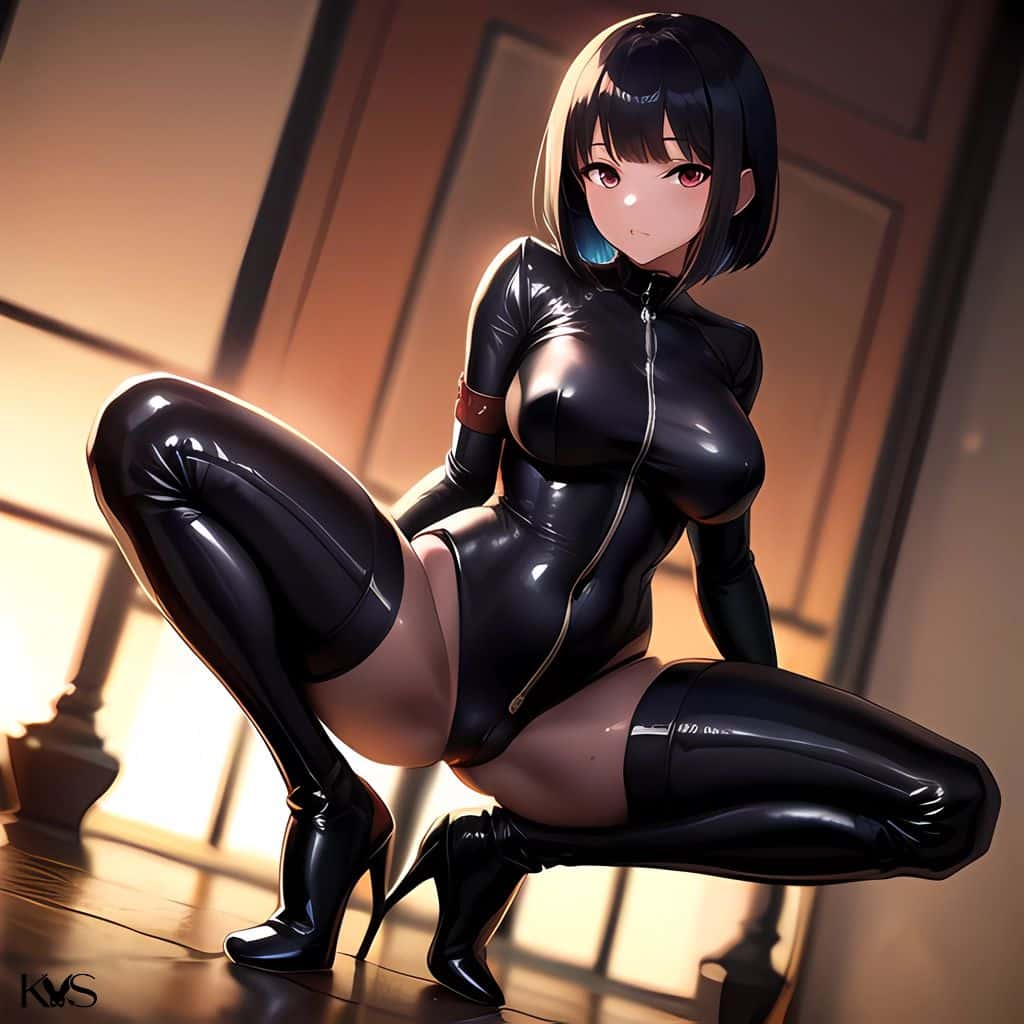
The purest form: arousal from leather garments — jackets, pants, corsets, boots, gloves — whether worn by oneself or a partner. The attraction may be to wearing leather (the sensation against skin, the feeling of authority it confers) or to seeing a partner in leather (the visual and olfactory signal it sends).
Sensory / olfactory fetish
Some people are primarily drawn to the smell of leather — an immediate, visceral response to the scent of a new jacket or a worn leather cuff. Smell is processed in the limbic system, the brain's emotional core, which helps explain why leather's scent can trigger arousal that feels almost involuntary.
BDSM equipment fetish
Leather restraints, collars, floggers, harnesses, and paddles are core BDSM tools. For many practitioners, the leather is not incidental to the scene — it is a significant part of it. The weight of a leather paddle, the smell of a leather collar placed around one's neck, the sight of a dominant pulling on leather gloves: these are erotic in themselves, not just instrumental.
Power symbolism
For some, leather functions primarily as a symbol of power, dominance, or transgression. The arousal is less about the material itself and more about what it signals — authority, control, rebellion, or the kind of confident sexuality that does not ask permission.
Signs you might have a leather fetish
- The smell of a leather shop, car interior, or new jacket creates a noticeable physical response.
- Seeing someone in a leather jacket, pants, or harness is more arousing than you'd expect from aesthetics alone.
- You find yourself drawn to leather BDSM equipment — floggers, cuffs, collars — beyond their functional appeal.
- Fantasy scenarios involving leather appear often enough to feel like a pattern.
If a few of those resonate, the Kink Quiz can help you map where leather sits among your other turn-ons.
How to explore a leather fetish with a partner
- Have the conversation outside the bedroom first. "I find leather really arousing — I'd love to incorporate it" is a straightforward, low-stakes disclosure. Talk about what specifically appeals: the look, the smell, specific garments or equipment, scenes involving leather BDSM gear.
- Start with clothing. Before investing in BDSM equipment, try leather garments in an intimate context — a leather jacket kept on, leather gloves during foreplay. Notice what lands.
- Layer in BDSM tools if that's the direction. Leather cuffs, a collar, a harness, or a flogger can be introduced gradually. Start with items that carry lower risk — cuffs rather than full restraint systems, a light flogger before a heavy one. Read our guide to bondage for safety fundamentals.
- Explore leather events and community. Leather bars and kink events are often welcoming to newcomers. Going with a partner gives you shared reference points, and the community is generally knowledgeable about education and safety.
- Aftercare matters. Power exchange scenes — especially those involving physical sensation from leather implements — can leave both partners in an altered emotional state. Plan for aftercare: physical comfort, verbal reassurance, time to decompress. See our guide to aftercare.
Safety note: When using leather restraints or impact implements, establish a clear safeword before the scene starts. Check circulation regularly if using cuffs. Never leave a restrained partner unsupervised. Leather floggers and paddles require some technique to use safely — learn before you play.
Popular leather items for the bedroom

These are the most commonly used leather items in fetish and BDSM contexts:
- Leather collar — the most symbolically charged piece in BDSM; signals the dynamic clearly
- Leather cuffs — wrist and ankle restraints; durable, adjustable, and widely available
- Harness — body harness for any gender; visually striking and useful for grip in some positions
- Leather gloves — intimate, tactile, and deeply associated with dominance
- Jacket and pants — worn during scenes or for the pure sensory pleasure of leather against skin
- Flogger — leather tails attached to a handle; a foundational impact play tool with a wide range of intensity
- Paddle — harder impact; more sensation per strike than a flogger
Is a leather fetish normal?
Yes — without qualification. Material fetishes are among the most consistently documented across sexual research, and leather is one of the most prevalent. The Kinsey Institute has long catalogued fetishistic attraction to clothing and materials as a normal variation in human sexuality, not a disorder or pathology. A leather fetish requires no explanation or justification beyond the fact that it exists and is consensual.
Fetishes exist on a spectrum. Some people find leather mildly appealing as one element of many; others find it central to their arousal. Neither end of the spectrum is disordered. The only question worth asking is whether the fetish is being explored in ways that are consensual, communicated, and enjoyable for everyone involved.
Leather carries centuries of human labor and animal life in its surface. When it becomes erotic, it's because people have always understood that power, danger, and beauty live in the same skin.
— Olivia Moore
Curious what else turns you on?
Related: Leather sits beside other tactile fixations — fur, shoes, and balloon play.
Leather often travels with other kinks — submission, sensory play, impact play, and bondage are frequent companions. If you want a clearer picture of your full erotic landscape, take the 2-minute Kink Quiz →