
Being right next to someone you want — and having them look straight through you — shouldn't feel good. And yet, for a meaningful slice of people, that exact experience is the point.
This guide covers what an ignore fetish actually is, the psychology behind it, how it overlaps with other kinks, and practical ways to explore it with a partner — all with consent at the center.
What is an ignore fetish?
An ignore fetish is arousal — sexual, emotional, or both — triggered by a partner deliberately withholding their attention. The person doing the ignoring knows you are there; the studied indifference is the act. It sits squarely in Humiliation & Degradation: the turn-on is not pain or physical sensation but the psychological charge of being treated as invisible by someone whose attention you crave.
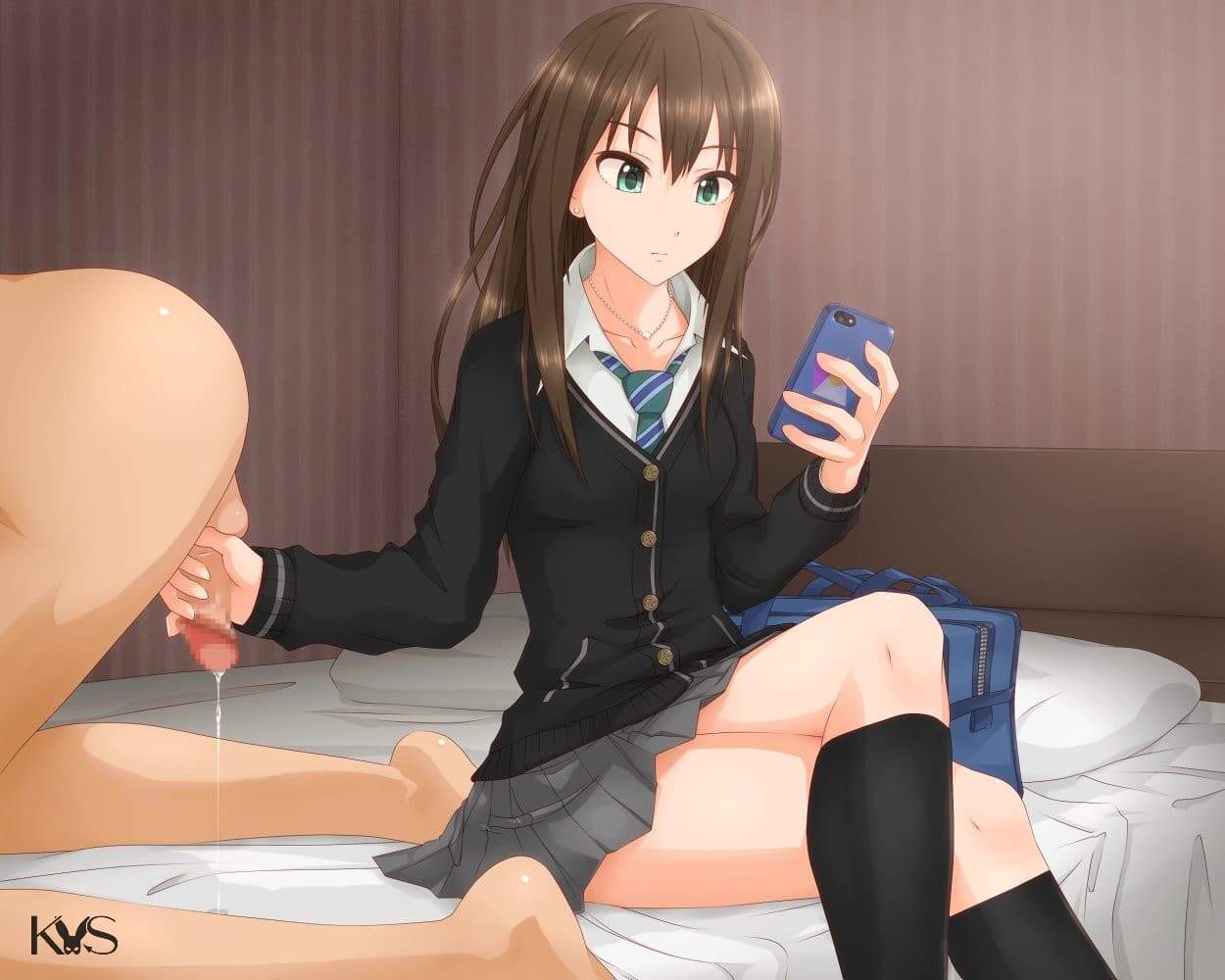
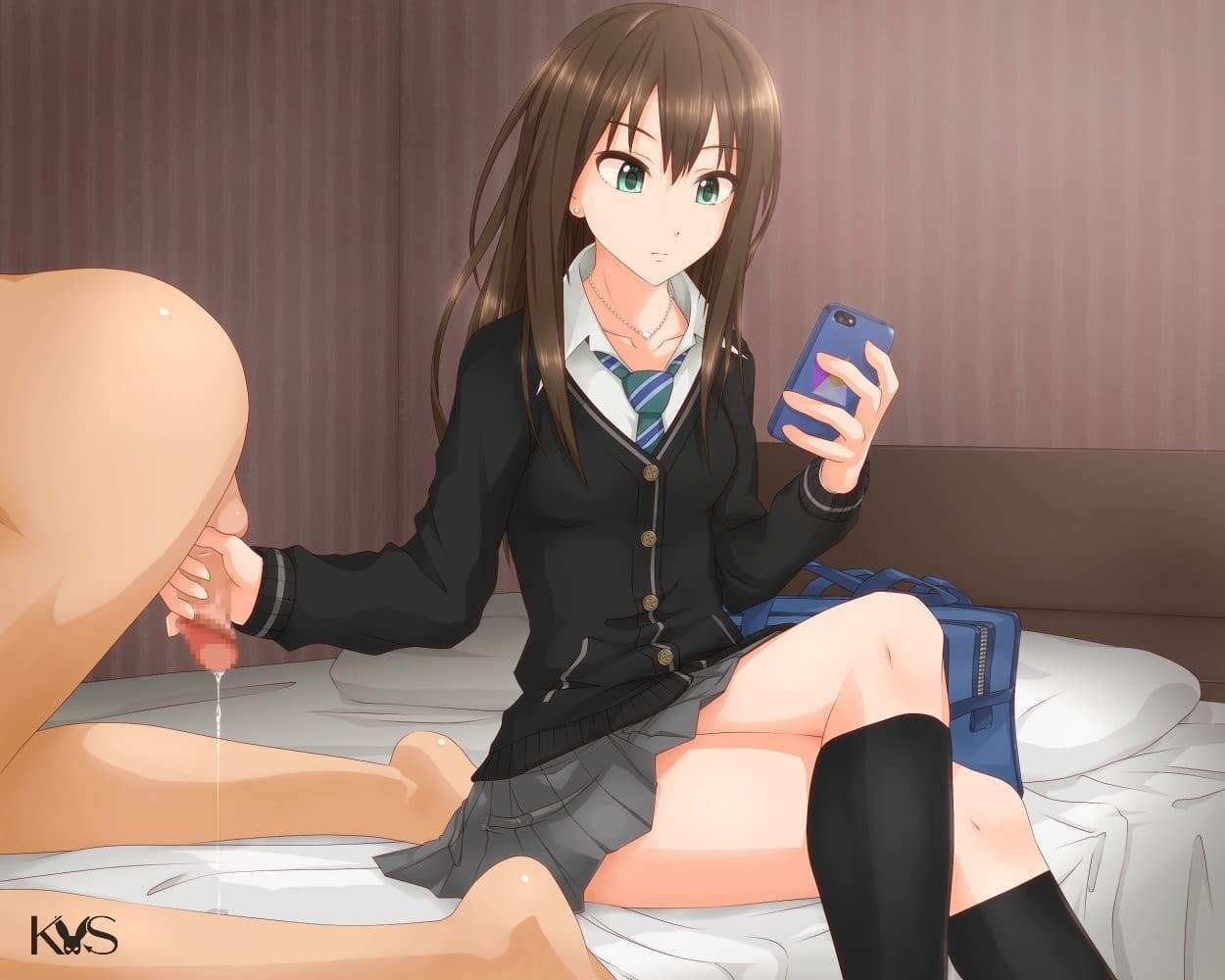
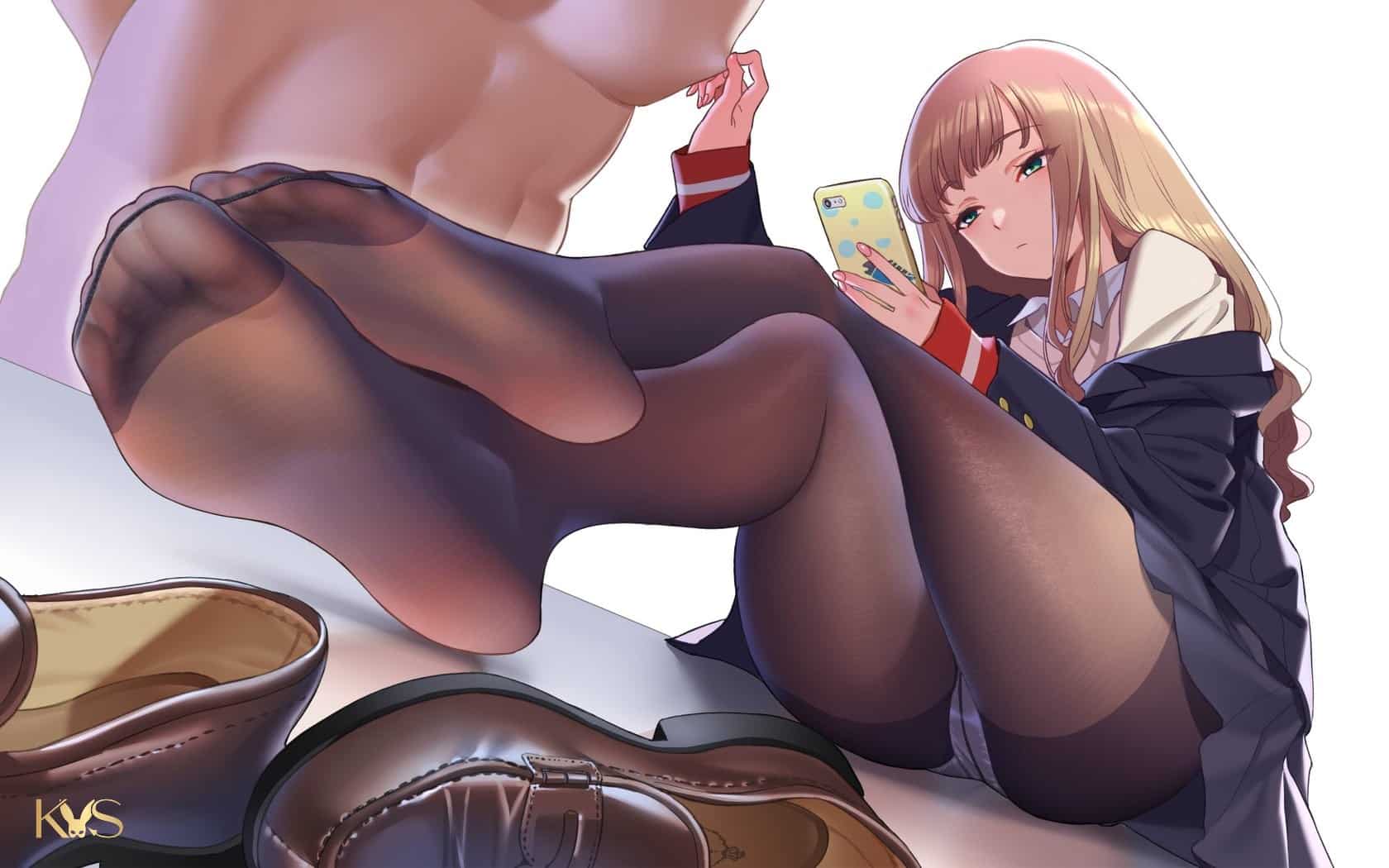
The kink shows up across a wide range of scenes: a partner absorbed in their phone while you try to get noticed, a dominant who refuses to acknowledge a submissive until a task is completed, or a text thread where being left on read is part of a pre-agreed game.
The psychology: why being ignored turns people on
At first glance it seems counterintuitive. Most people want to feel seen. So what flips the circuit?
The forbidden-fruit effect
Desire and unavailability are intimately linked. When someone withholds attention, they become — paradoxically — more compelling. The brain reads scarcity as value. A partner who looks right through you is also a partner whose eventual gaze will feel electric. The ignore fetish weaponizes that gap on purpose.
Power and surrender
When someone controls whether you receive attention, they hold real power in the moment. For many people, consciously surrendering that control — I know you're not looking at me and I love how that makes me feel — is deeply arousing. This is why the ignore fetish sits so naturally alongside dominance and submission: the dynamic of who decides when attention arrives maps directly onto D/s structures.
Tension and release
Being ignored creates sustained anticipation. Every moment of non-attention tightens the wire. When attention finally comes — a look, a touch, an acknowledgment — the release is proportionally more intense. The ignore fetish is, at its core, a prolonged form of erotic buildup.
History and re-contextualization
Sometimes a kink forms around feelings that were originally uncomfortable — being overlooked as a child, a relationship where you felt unseen. The ignore fetish can be a way of taking that feeling and reframing it: this time it is chosen, consensual, and explicitly erotic. That shift from passive experience to active desire is one of the more remarkable things kink allows.
Types of ignore play
The ignore fetish is not one thing. It splits into several distinct modes:
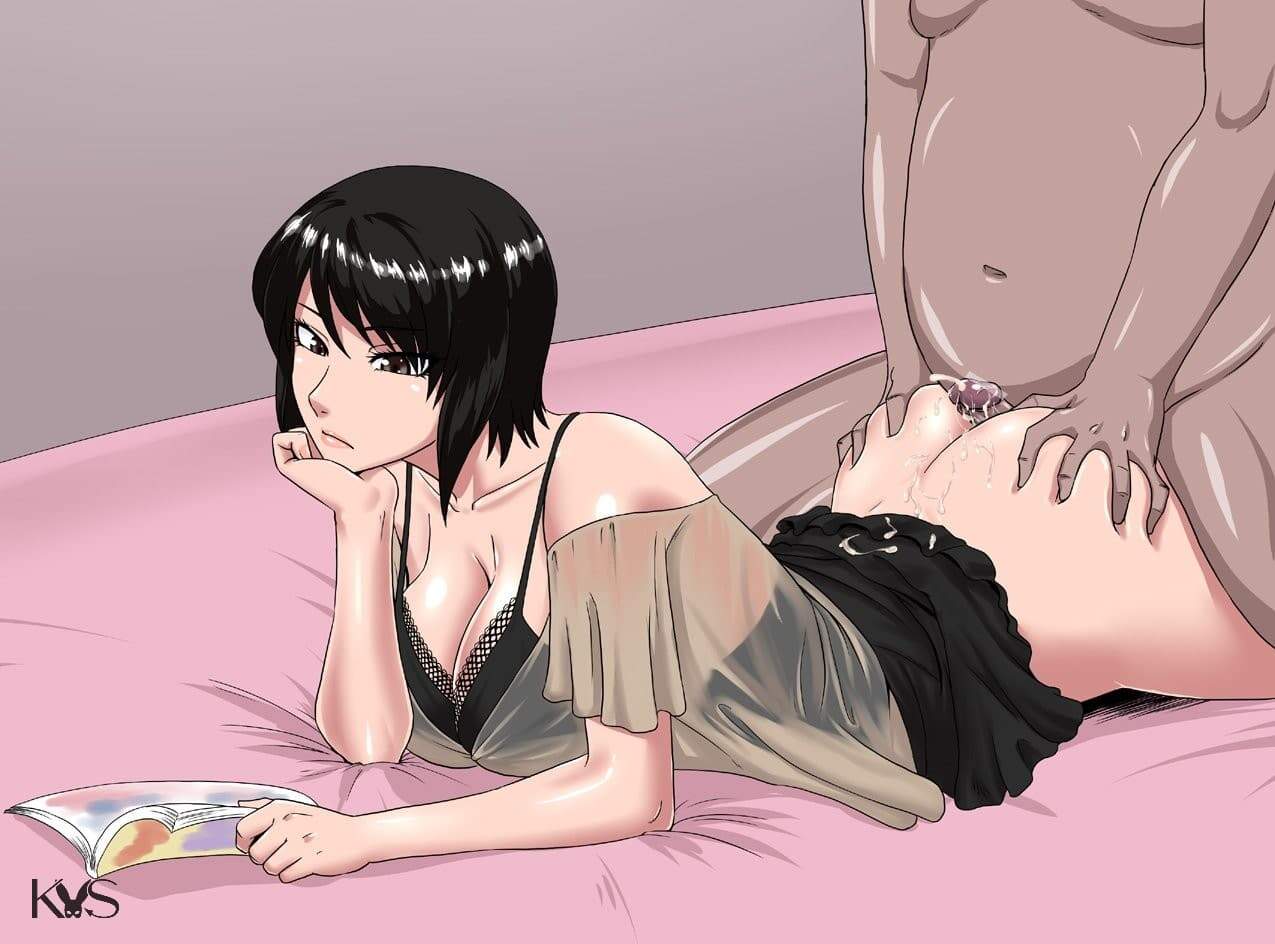
Physical ignore play — during sex, one partner focuses entirely on their own pleasure or an activity (reading, browsing a phone) while the other is present but unacknowledged. The attention arrives on the ignoring partner's terms.
Digital ignore play — one partner leaves messages on read, delays replies deliberately, or goes silent for an agreed window. The arousal lives in the waiting and the silence. Ground rules matter here more than anywhere else.
Social ignore play — acting out a scene in public or at a gathering where one partner appears to have no interest in the other. Low-key and deniable, which many people find part of the charge.
Ignore within D/s — in a dominance and submission dynamic, ignoring a submissive can be a deliberate discipline — withholding attention as a form of control or punishment, with the submissive's experience of aching for notice being the entire point.
Signs you might have an ignore fetish

- Being left on read by someone attractive creates excitement rather than (or alongside) frustration.
- You replay moments when a partner seemed indifferent to you more vividly than moments of direct attention.
- Being physically present but unacknowledged during sex is more arousing than being the center of attention.
- You are drawn to dominant figures who are cool, distracted, or hard to read.
If several of those land, the Kink Quiz can map where this sits among your other turn-ons.
How to explore an ignore fetish
1. Have the conversation first
Because ignore play is entirely psychological, the conversation before the scene is non-negotiable. Your partner needs to know this is a game you both want. Decide on a safeword — even "stop" — because someone who is genuinely upset looks identical from the outside to someone deep in an ignore scene. Establish what is and is not on the table: how long, how complete, what brings it to an end.
2. Start with low-stakes texting
Digital ignore play is the gentlest entry point. Agree on a window — say, thirty minutes — during which one person will take their time replying, leave a message on read, or go quiet. Keep it short enough to feel contained. Debrief afterward: what worked, what felt too long, what you both want to try next.
3. Bring it into the bedroom
One partner focuses on their own pleasure — reading, scrolling, watching something — while the other is physically present but unacknowledged. The ignoring partner decides when (or whether) attention arrives. Start with a fixed time limit so the experience feels intentional, not abandoned.
4. Try a social scenario
Go to a café or a party together and agree that one of you will flirt with the room — not with each other. Keep it light. Make sure you both have a clear signal to step out of the scene. Social scenarios have more variables than bedroom play and benefit from more precise planning.
5. Layer it with other kinks
The ignore fetish pairs naturally with:
- Dominance and submission — where withholding attention is a deliberate act of control.
- Humiliation play — being ignored in front of others can carry a layer of consensual public diminishment.
- Bondage — being restrained and ignored removes any ability to seek attention physically, intensifying the tension.
- Chastity play — locked and unacknowledged is a classic combination that stacks denial on denial.
6. Explore solo first
Watch erotica or read fiction that features ignore dynamics. Figuring out which scenarios resonate — and which feel too cold — before involving a partner saves time and reduces awkward mid-scene corrections.
7. Always debrief
Ignore play — like any scene that involves withholding something — can surface unexpected feelings: genuine loneliness, a sense of rejection that outlasts the scene, or the opposite, a warm glow that hangs around for hours. Talk about it after. Aftercare matters even when no physical act took place.
Is an ignore fetish normal?
Yes. Arousal shaped by withholding, power asymmetry, and anticipation is entirely ordinary — these are fundamental drivers of desire that show up across cultures and across centuries of erotic literature. The specific form an ignore fetish takes varies widely, but the underlying mechanics — tension, surrender, forbidden-fruit wanting — are well-documented patterns in human sexuality, covered in resources like the Kinsey Institute.
The only question that matters is whether the practice is consensual, communicated, and enjoyable for everyone involved. An ignore fetish explored with clear agreement and honest check-ins is not a red flag; it is two people shaping their erotic experience with intention.
The ignore fetish taught me that desire and attention are not the same thing. Being overlooked by someone I had handed that power to felt like the whole world narrowing to one question — when — and that single question was the most alive I have ever felt during play.
— Olivia Moore
A note on consent and safety
Ignore play is low-risk physically but can be high-impact emotionally. A few principles worth keeping:
- Safewords work even in silence. Agree on a non-verbal signal — a tap, a gesture — so a partner who is supposed to be ignored can still call a halt cleanly.
- Time-box new scenes. Open-ended ignore play without a defined end point can tip from arousing to genuinely distressing. Set a clear limit until you know each other's rhythms.
- Check in after. The emotional drop after any kind of humiliation-adjacent play — sometimes called sub-drop — can arrive hours after the scene ends. Reaching out the next day is good practice.
- Context matters. Ignore play that bleeds into daily life without ongoing consent is not a fetish — it is emotional withdrawal. Keep the dynamic legible and chosen.
Curious how the ignore fetish fits among everything else you're drawn to? Take the 2-minute Kink Quiz →