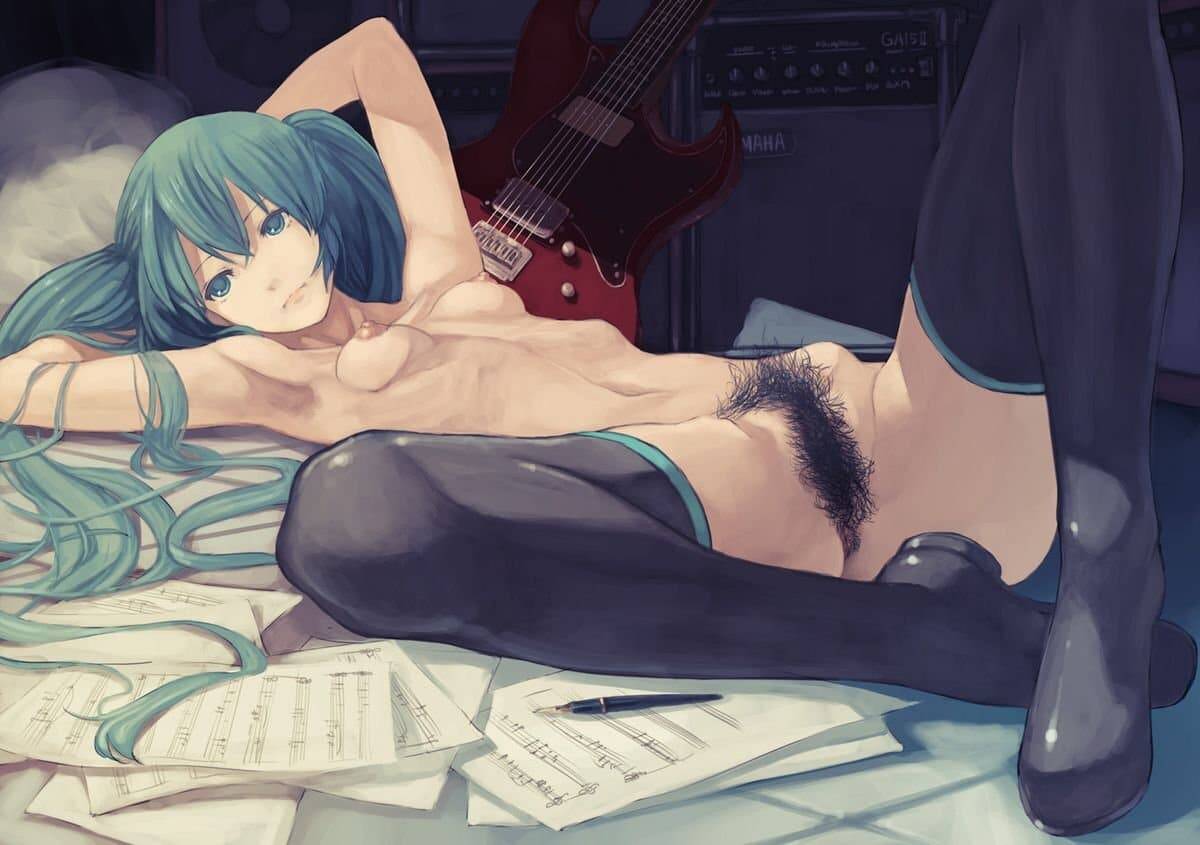
Hair has always carried an erotic charge — a hand sliding through someone's locks, the scent of a freshly washed mane, a single strand falling across bare skin. For people with trichophilia, that charge is the main event.
This guide covers what a hair fetish actually is, the psychology behind it, the many forms it takes, and how to bring it into your intimate life — judgment-free.
What is a hair fetish?
A hair fetish, known clinically as trichophilia, is sexual or sensory arousal that centres on hair. The stimulus can be visual (watching hair move), tactile (running fingers through it), olfactory (the scent of someone's locks), or even auditory (the sound of scissors or a razor). It is classified as a fetish: an object or body feature that becomes the primary focus of arousal, rather than incidental foreplay.
Trichophilia covers an enormous range — from a mild preference for partners with a certain hair type all the way to hair being the central erotic fixation in every encounter. Both ends of that spectrum, and everything in between, are valid expressions of the same underlying response.
The psychology: why hair turns us on
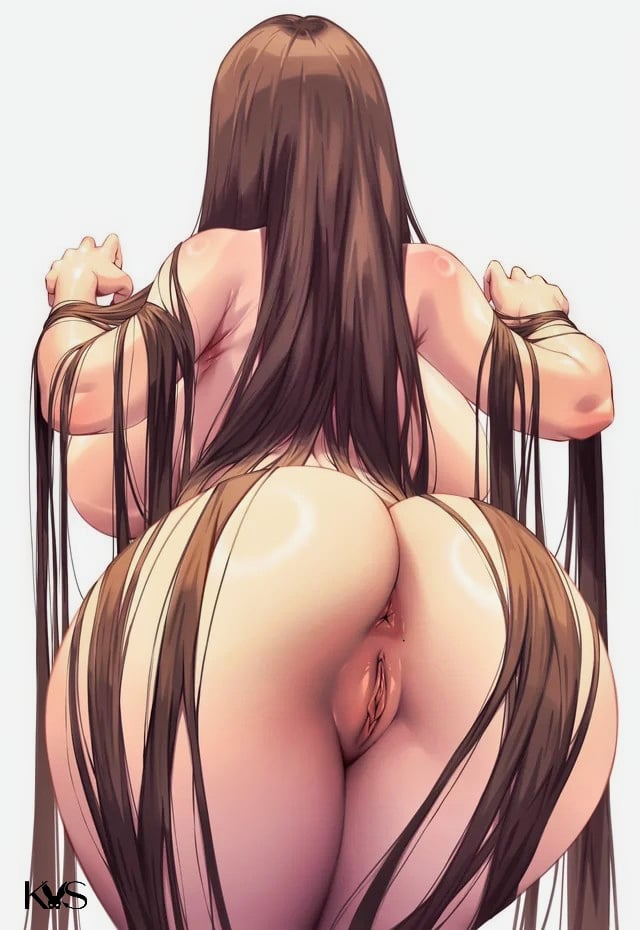
The brain doesn't file arousal neatly. It builds associations over time, and hair — visible, touchable, scented, intimately personal — is exactly the kind of stimulus that embeds itself in erotic memory early and stays there.
A few threads tend to appear again and again:
Sensory richness. Hair stimulates several senses simultaneously. Touch, sight, and smell are all active at once, and for a brain that routes sensory play into arousal, that density of input is its own reward.
Intimacy and access. Touching someone's hair is an act of closeness. Being allowed close enough to stroke or smell it signals trust — and trust, for many people, is the precondition for desire. The very intimacy of the act amplifies the charge.
Cultural and developmental imprinting. Hair carries enormous symbolic weight: femininity, masculinity, health, vitality, rebellion, elegance. Exposure to those associations during formative years — a princess's flowing hair as the mark of beauty, a strict rule against cutting hair that made long locks feel forbidden — can wire them into the arousal system. Neither the memory nor the resulting preference needs to be unpacked or fixed; it just is.
Evolutionary underpinning. Healthy, lustrous hair has long functioned as a visible signal of physical health. The attraction to it draws on the same deep preference that shapes many other aesthetic responses to potential partners.
None of this means a hair fetish was "caused" by anything that needs addressing. Many people find that understanding the why simply makes the experience richer. The Kinsey Institute has documented a wide range of arousal triggers across cultures; specific sensory and body-focused fetishes rank among the most consistently reported.
Types of hair fetish
Trichophilia is not a monolith. The specific stimulus that arouses varies widely from person to person.
Head hair: length, texture, and style
This is the most common focus. Preferences tend to be highly specific:
- Length — long, flowing hair is the most frequently cited object of arousal, though short, closely cropped hair has its own devoted admirers.
- Texture — fine and silky, thick and coarse, naturally curly, tightly coiled, or pin-straight each produce distinct tactile and visual experiences.
- Condition — wet hair, freshly washed hair, hair loosened from a bun or plait, braided or pinned-up hair suddenly released.
- Colour — specific shades can function as a distinct trigger: jet black, copper red, platinum blonde, salt-and-pepper grey.
Facial and body hair
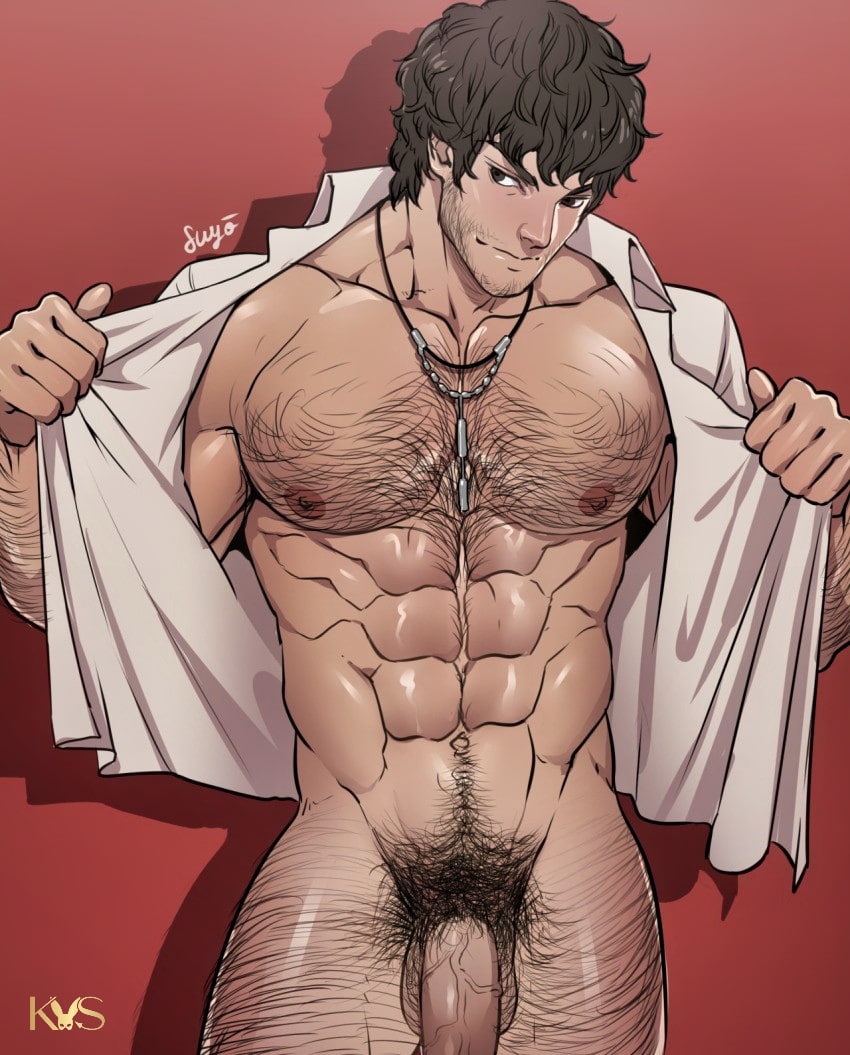
For others the focus shifts — or expands — to facial hair (beards, stubble) or body hair (chest, arms, underarms, legs, pubic hair). Some people find dense body hair signals an almost primal masculinity; others are drawn to the contrast of softness amid it. This dimension of trichophilia is as legitimate as any other.
Scent
The olfactory channel is powerful and underrated in discussions of hair fetishes. The natural scent of someone's scalp, the fragrance of a shampoo or conditioner, even the faint warmth that rises from hair after exercise — these can all function as standalone arousal triggers, or deepen an existing attraction to hair's visual and tactile qualities.
Hair play as power exchange
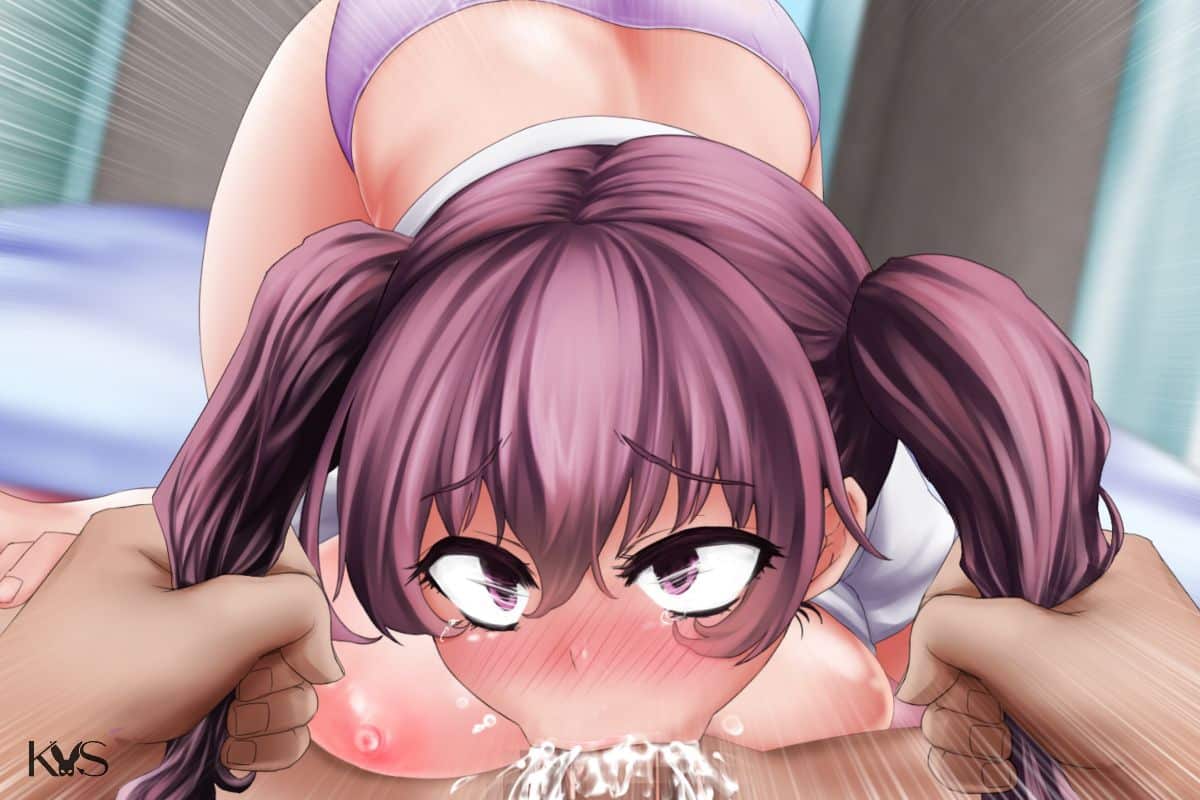
Hair lends itself naturally to dynamics of dominance and submission. Grasping a partner's hair controls their head; running fingers through it soothes and rewards. Neither act requires anything more than consent and communication, but both carry a weight that pairs naturally with power exchange.
Signs you might have a hair fetish
- You notice your attention moving to a person's hair before almost anything else.
- Specific hair types produce a distinct, physical sense of arousal rather than simple aesthetic appreciation.
- You replay sensory memories involving hair — its feel, smell, or look — long after an encounter.
- Touching or playing with a partner's hair feels like a sexual act in its own right, not merely foreplay.
- Requests to touch, braid, brush, or pull hair feel charged in a way that's hard to explain.
None of these is diagnostic — they're simply patterns that many people with trichophilia recognise in themselves.
How to explore a hair fetish
1. Name it — to yourself first
Many people with a hair fetish spend years assuming their attraction is too niche to mention. Starting with honest self-acknowledgement removes the internal friction that makes communication harder.
2. Start the conversation before the bedroom
"I find your hair incredibly attractive — would you be open to letting me touch it more during sex?" is a low-stakes opener. Framing it as appreciation rather than a demand tends to land well.
3. Begin with the gentle end of the spectrum
Running fingers through hair, spreading it across a pillow, pressing your face into it — none of this requires negotiation beyond a simple "yes, I like that." Start there. Notice what feels good for both of you.
4. Layer in more intense play with explicit consent
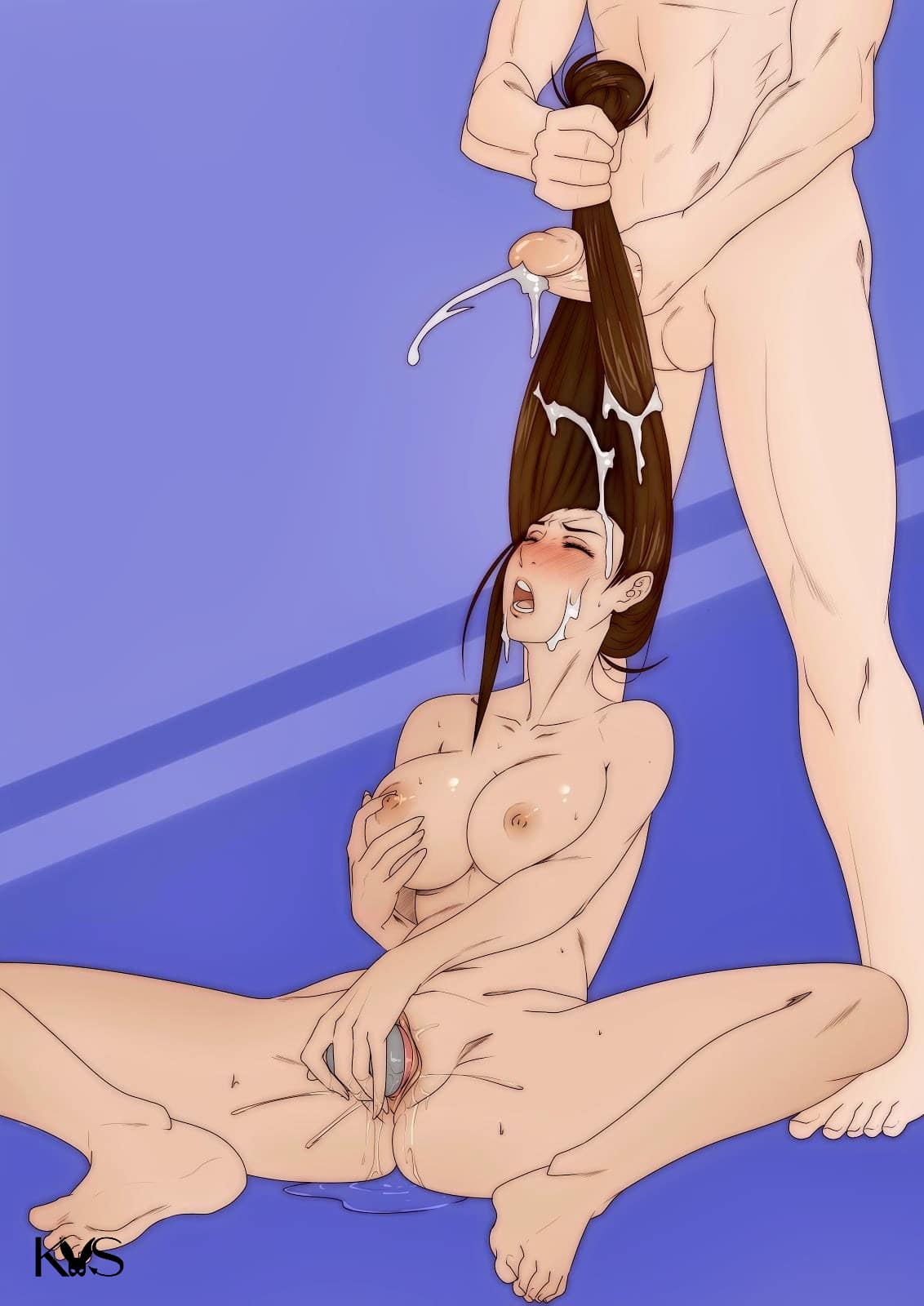
Hair-pulling is a common intersection point between trichophilia and impact play or bondage. It is not inherently harmful, but it does require clear communication:
- Agree in advance on the location (nape of the neck offers more control than the ends), intensity, and a safeword.
- Grip close to the root — it distributes pressure more evenly.
- Watch for signals, and check in when in doubt.
Hair can also be used to guide a partner's movement, as a blindfold of sorts, or simply as the focus of extended sensation play — brushing, stroking, or scalp massage that builds arousal slowly. A sensory play framework applies well here.
5. Try incorporating scent deliberately
If the olfactory dimension appeals, experiment with specific shampoos, conditioners, or hair oils. This is a simple way to tune the experience — and one that can be enjoyed entirely within ordinary intimacy, without naming the fetish at all if you're not ready.
6. Combine with related kinks thoughtfully
Trichophilia blends naturally with body worship — where the focus is on adoring a partner's physical form — and with sensory and sensation-based play. It also sits alongside many objects and clothing kinks. You don't need to explore all of this at once; let it develop organically.
What to say
Words and hair play together well. Some lines that many people with this kink find land:
- "Your hair is one of the most beautiful things about you."
- "Can I run my fingers through it?"
- "I want to feel your hair against my skin."
- "Tell me if this feels good" (before adjusting grip intensity).
Affirmation and hair play overlap significantly for people who also have a praise kink — being told they're beautiful and having their hair admired at once can be intensely satisfying.
Is a hair fetish normal?
Yes — straightforwardly. Specific physical and sensory features functioning as arousal triggers is one of the most documented patterns in human sexuality. Fetishes that centre on body features (hair, hands, feet, voice) are extremely common, even among people who would never label themselves as having a fetish. The Kinsey Institute has consistently found that arousal is highly varied across individuals, and no particular trigger is inherently disordered.
A hair fetish becomes something to address only if it causes genuine distress or interferes with daily life — and for the vast majority of people who have one, it does neither. It's simply a preference: specific, strong, and yours.
The one genuine requirement is consent. If touching, smelling, or playing with someone's hair is part of your erotic life, your partner's willing participation matters as much as in any other sexual activity. That conversation is easier than most people fear.
A hair fetish isn't unusual — it's a sensory language. Once you understand your own dialect, communicating it to someone who wants to hear it becomes the most natural thing in the world.
— Samuel Davis
Exploring further
If trichophilia interests you, related territory worth exploring includes sensory play (where hair-focused sensation fits naturally), body worship (adoring a partner's physical form), and dominance and submission (where hair play often finds its most charged expression).
Not sure where your other interests sit? Take the 2-minute Kink Quiz →